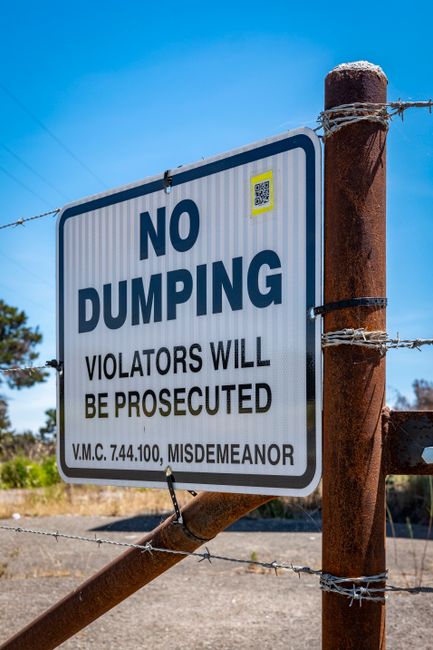
Fines for illegal dumping in Westminster near Queens Park: what residents and businesses need to know
If you live, work, or manage property around Queen's Park, the phrase Fines for illegal dumping in Westminster near Queens Park is not just a legal topic. It is a very real local problem. A single abandoned sofa, a pile of builders' rubble, or a black bag left beside a wall can trigger complaints, attract enforcement action, and turn into an expensive headache faster than most people expect.
The tricky part is that illegal dumping is often not dramatic. It can be a mistaken "I'll leave this here for a minute" moment, or a contractor failing to take waste away properly. Either way, the outcome can be the same: enforcement, cleanup costs, and a lot of stress. In this guide, you will get a clear, practical explanation of how fines work, what usually leads to them, how to respond if you are concerned, and how to avoid the whole mess in the first place. No fluff. Just the useful stuff.
Table of Contents
- Why fines for illegal dumping in Westminster near Queen's Park matter
- How fines for illegal dumping in Westminster near Queen's Park works
- Key benefits and practical advantages
- Who this is for and when it makes sense
- Step-by-step guidance
- Expert tips for better results
- Common mistakes to avoid
- Tools, resources and recommendations
- Law, compliance, standards, or best practice
- Options, methods, or comparison table
- Case study or real-world example
- Practical checklist
- Conclusion
- Frequently asked questions
Why fines for illegal dumping in Westminster near Queens Park matters
Illegal dumping is one of those issues that looks small at first and then spreads. A mattress in an alley can block access for refuse crews. A bag of rubble left on a pavement can become a hazard for pedestrians, cyclists, and pushchairs. In a busy part of Westminster near Queen's Park, where streets are used by residents, delivery drivers, tradespeople, and visitors all day, the impact can be immediate.
There is also a wider fairness issue. If one person leaves waste behind, everybody else pays in inconvenience, visual mess, and sometimes money. Cleanup costs can be substantial, and the person responsible may face a fixed penalty, a prosecution route, or both depending on the circumstances. The exact outcome depends on what happened, what evidence exists, and how the enforcing authority handles the case.
Let's face it: nobody wants to be the neighbour staring at a broken wardrobe on the pavement at 7:30 in the morning, wondering who to call. Nor do businesses want customers stepping around rubbish outside a shopfront. That is why prevention matters so much. It is cheaper, calmer, and far less awkward than trying to explain away an avoidable mistake later.
Key point: illegal dumping is not only about "litter". It can include leaving bulky household waste, construction debris, commercial rubbish, or fly-tipped items on public land or land without permission.
How fines for illegal dumping in Westminster near Queens Park works
In plain English, illegal dumping enforcement usually starts when waste is left somewhere it should not be. That might be a street, a footpath, a back alley, a communal bin area, a verge, or private land without the landowner's permission. The response can vary, but the basic pattern is often the same: the waste is reported, the site is checked, evidence is collected, and a fine or other enforcement action may follow.
Authorities generally look at the type of waste, the location, whether there is evidence identifying the responsible party, and whether the dumping appears deliberate, careless, or linked to a business activity. In some cases, the waste itself tells a story. Labels, invoices, packaging, or names and addresses found among the items can all become evidence. Not glamorous, but that is how these cases often unfold.
For residents and landlords around Queen's Park, one thing catches people out repeatedly: if waste is handed to the wrong person and it later gets dumped, the original owner may still be asked questions. That does not automatically mean liability, but it does mean you should be careful about who removes your rubbish and whether they are operating properly. A "cheap mate with a van" can become very expensive very quickly.
The real-world pattern usually looks like this:
- Waste is discovered or reported.
- The site is inspected and photographed.
- Evidence is reviewed to identify a person or business.
- An enforcement notice or fixed penalty may be issued, depending on the facts.
- If the matter is serious or repeated, further action can follow.
What counts as "serious" is not always obvious to the public. Large volumes, hazardous materials, repeated behaviour, obstruction, or evidence of organised dumping tend to raise the stakes. A single bag is still wrong, of course. But a van load of builders' waste dumped at night is a very different problem.
Key benefits and practical advantages
Talking about fines may sound negative, but there are practical benefits in understanding how enforcement works. Once you know what triggers risk, you can make safer choices and avoid being caught out by simple mistakes.
- Better decision-making: you can choose lawful disposal routes instead of guessing.
- Lower financial risk: you reduce the chance of penalty notices, clear-up charges, or avoidable contractor disputes.
- Less stress: you are less likely to end up fielding complaints from neighbours or managing awkward calls from building managers.
- Cleaner streets and shared spaces: everyone benefits when waste is removed properly.
- Stronger reputation: businesses, landlords, and managing agents avoid the damage that comes from visible fly-tipping.
There is also a quieter benefit: proper waste handling feels better. You know where the items went, who took them, and what happened next. That sounds minor until you have had to deal with an unknown pile of junk outside a property for a week. Then it feels huge.
If you are clearing a property, renovating a flat, or dealing with a garden or garage build-up, using a proper waste service is usually a better long-term decision than trying to improvise. For larger or mixed waste loads, the waste removal service is a sensible place to start, while specialist options such as builders waste clearance can be more appropriate for renovation debris.
Who this is for and when it makes sense
This topic matters to more people than you might first think. It is not just for people accused of dumping waste. It is for anyone who handles rubbish, arranges clearances, manages property, or supervises contractors.
You may need this if you are:
- a resident clearing out a flat, house, loft, garage, or garden
- a landlord or letting agent responsible for emptying a property
- a builder, decorator, or tradesperson producing waste on site
- a business owner managing office, retail, or stockroom clearance
- a facilities or property manager dealing with communal waste issues
- someone who suspects waste has been dumped near your street or building
This also makes sense if you are simply trying to avoid a bad decision. A lot of illegal dumping cases start with someone saying, "I thought it would be fine." That is where trouble begins. If you are unsure whether a load belongs in a household collection, a commercial pickup, or a specialist clearance, pause and check. A five-minute decision now can save a week of hassle later.
For example, if you are clearing a flat near Queen's Park after a move, you may need a properly coordinated service rather than leaving items outside for someone else to take. A good starting point might be flat clearance or, where furniture is the main issue, furniture disposal.
Step-by-step guidance
If you want to avoid fines for illegal dumping in Westminster near Queen's Park, a calm, methodical approach works best. Here is the practical route.
- Identify the waste type. Household items, furniture, garden waste, office materials, and builders' rubble should not all be handled the same way.
- Check whether the waste can be reused, donated, or recycled. Anything that still has life left in it should not be treated as rubbish by default.
- Choose a lawful disposal route. Use a trusted clearance provider or the correct collection method rather than leaving items in a communal area or beside a bin.
- Keep records. If you arrange a pickup, keep emails, invoices, and any notes about what was taken. Simple, boring, very useful.
- Do not hand waste to unverified operators. If someone offers to remove rubbish cheaply with no paperwork, be cautious.
- Inspect the finish. After clearance, check that no loose waste, packaging, or debris has been left behind.
- Respond quickly to any complaint. If neighbours or a property manager raise concerns, deal with it fast and professionally.
That last point matters more than people think. A small amount of leftover waste can become a bigger issue if it sits there long enough for complaints to build. You will notice how quickly a calm situation turns tense once photos start circulating in a residents' chat. Not ideal, obviously.
If your waste is mainly domestic and you are trying to clear space properly, the broader home clearance and house clearance options can help keep everything on the right side of good practice.
Expert tips for better results
In our experience, most avoidable illegal dumping problems come down to poor planning rather than bad intentions. A few small habits make a big difference.
- Sort items before collection. Keep furniture, recyclables, and general waste separated where possible. It helps with handling and reduces mistakes.
- Use the right service for the right job. Builders' waste, office items, garden cuttings, and household clutter each have different disposal needs.
- Be wary of "no paperwork" offers. If there is no receipt, no business details, and no clear arrangement, that is a red flag.
- Ask about handling and disposal methods. You do not need a lecture. Just enough clarity to know the load will be dealt with responsibly.
- Schedule clearance before peak pressure points. End-of-tenancy moves, renovation deadlines, and seasonal clear-outs are when people rush. Rushing is where mistakes happen.
- Think about access. Narrow streets near Queen's Park can make loading awkward. Plan where the vehicle will stop and how items will be moved.
A very practical tip: if the waste is awkward or bulky, take a photo before collection and after the area is cleared. It is a simple record, and when things get disputed, simple records are gold.
If you are running a company or a site, it is also worth making waste handling part of your normal routine. For offices, the dedicated office clearance and business waste removal services are better aligned with commercial responsibilities than trying to improvise.
Common mistakes to avoid
A lot of people only think about fines after something has gone wrong. That is human. Still, there are patterns worth avoiding.
- Leaving waste beside a bin store or wall. Even if it feels temporary, it can still count as improper disposal.
- Assuming a private contractor will "sort it out". If the contractor dumps the waste, you may still end up involved in the enquiry.
- Mixing items without checking restrictions. Some loads need special handling. Do not guess.
- Forgetting about garden or garage waste. These smaller clear-outs are easy to treat casually, and that is where people slip.
- Using one-off informal collectors without checking credentials. Cheap is not always cheap. Funny how that works.
- Ignoring neighbour complaints. If someone says waste has been left out, respond quickly rather than hoping it disappears.
One more common trap: putting waste out too early. In streets where collections happen at specific times, leaving items out long before pickup can lead to problems, especially if bags split, rain gets in, or passers-by move things around.
Tools, resources and recommendations
You do not need fancy systems to stay compliant. A few practical tools and habits are enough for most households and small businesses.
- A short waste log: note the date, what was removed, and who took it.
- Phone photos: before and after shots help with accountability.
- Checklists for moves or refurbishments: these stop items being abandoned in the rush.
- Clear written quotes: useful for avoiding misunderstandings about what is included.
- Basic separation of waste types: faster handling, cleaner loading, fewer mistakes.
For bulky domestic items, the furniture clearance and furniture disposal pages are especially relevant if the main issue is sofas, chairs, tables, or bedroom furniture. For outdoor mess and seasonal build-up, garden clearance is often the more sensible route than trying to leave bags or branches out for an informal pickup.
And if the problem is storage overflow in the corners of a property, a garage clearance or loft clearance can stop clutter from turning into an access issue. Truth be told, a lot of "illegal dumping" complaints begin as internal clutter that never quite made it to proper disposal.
Law, compliance, standards, or best practice
When people talk about fines for illegal dumping, they are usually referring to enforcement under local environmental rules and related waste responsibilities. It is sensible to keep this section practical rather than overly legalistic, because the details can vary depending on the facts, the location, and the authority involved.
What matters most is the general principle: waste should be stored, moved, and disposed of responsibly, and the person arranging disposal should take reasonable care. For businesses, that expectation is even stronger. If you generate commercial waste, you should ensure it is handled by suitable arrangements and that the process is traceable. If you are a landlord, property manager, or contractor, you should not treat waste as an afterthought.
Best practice usually includes:
- keeping waste off pavements unless a lawful collection arrangement exists
- using reputable, insured providers
- making sure waste transfer details are clear enough to identify the load and the handler
- avoiding casual disposal arrangements with unknown operators
- storing waste securely until it can be removed properly
There is no clever shortcut here. The safest approach is the dull one: arrange the pickup properly, confirm what is being taken, and keep a record. That boring little habit can save a lot of grief.
If you want reassurance around provider standards, it is worth reviewing site information such as health and safety policy, insurance and safety, and recycling and sustainability. These pages help set expectations for how a responsible service should operate.
Options, methods, or comparison table
Different waste situations call for different approaches. Here is a simple comparison to help you decide.
| Method | Best for | Pros | Risks if done badly |
|---|---|---|---|
| Kerbside placement without arrangement | Nothing, really | None | High risk of enforcement, complaints, and mess |
| Self-haul to a proper facility or lawful disposal route | Smaller loads, organised clear-outs | Direct control, transparent handling | Time, transport, lifting effort |
| Licensed-style commercial clearance | Bulky, mixed, or urgent waste | Convenience, less handling stress | Risk if provider is unverified |
| Reuse or donation where suitable | Usable furniture and household items | Less waste, more sustainable | Not suitable for damaged or contaminated items |
| Ad hoc informal collection | Best avoided | Often cheap at first | High risk of illegal dumping and missing paperwork |
In the real world, the best option is usually the one that balances legality, convenience, and clarity. For example, a landlord clearing an unfurnished flat will often need a different approach from a homeowner clearing a single room. There is no one-size-fits-all answer, and that is fine.
Case study or real-world example
Here is a realistic scenario based on the kind of situation people often face around Queen's Park.
A small flat is being prepared for a new tenant. The outgoing occupier has left an old wardrobe, a broken chair, and a few bags of mixed household rubbish in the communal area because the lift was busy and the move was "only for a few hours." By the next morning, the rubbish has been shifted by another resident, a complaint has been made, and the property manager is now dealing with a report about waste left in the building.
What went wrong? Not one huge thing. Several smaller ones. The items were left in a shared space, there was no proper collection plan, and nobody took responsibility at the right time. The fix is straightforward in hindsight: book a suitable clearance, remove items directly from the property, and make sure nothing is left in communal circulation. Simple, but people forget in the rush of moving day.
If the situation had involved office furniture or a shop fit-out, the better route would likely have been a proper commercial collection such as office clearance or, depending on the load, builders waste clearance. That matching of waste type to service is what prevents a lot of avoidable trouble.
Practical checklist
Use this checklist before you leave any waste out for collection or hand it to someone else.
- Have I identified exactly what the waste is?
- Is this waste suitable for the chosen collection method?
- Have I checked that the provider or arrangement is clear and trustworthy?
- Do I know when the waste will be removed?
- Will the waste be placed in a lawful location until collection?
- Have I kept photos or notes of the items?
- Do I have a record of the service, quote, or arrangement?
- Have I separated anything reusable from true rubbish?
- Have I considered whether the load needs specialist handling?
- Would I be comfortable explaining this arrangement if questioned later?
If you can answer yes to most of those, you are on the right track. If not, pause and tidy up the plan before you do anything else.
For many households near Queen's Park, the safest next step is a proper, documented collection through home clearance or house clearance, rather than a quick fix that creates a new problem.
Conclusion
Fines for illegal dumping in Westminster near Queen's Park are ultimately about responsibility, not just punishment. If waste is left where it should not be, the costs can spread quickly: fines, complaints, cleanup, delays, and an annoying amount of back-and-forth. Nobody needs that.
The good news is that most problems are preventable. Choose the right disposal route, keep records, avoid casual hand-offs, and use services that match the type of waste you have. That is the calm, sensible path. The one that saves money and keeps streets, buildings, and shared spaces in better shape.
If you are dealing with a clear-out right now, take a breath, sort the load properly, and handle it in a way you would be happy to explain later. That tends to be the right test.
Get a free quote today and see how much you can save.
Frequently Asked Questions
What counts as illegal dumping in Westminster near Queen's Park?
It usually means leaving waste somewhere without permission or outside a proper collection arrangement. That can include bags, furniture, rubble, garden waste, or mixed rubbish left on streets, pavements, alleys, or private land.
Can I be fined if I hired someone else to take the waste away?
Potentially, yes, depending on the facts. If you used an unverified operator or failed to take reasonable care, you may still be asked questions. That is why records and due diligence matter.
Are fines always issued straight away?
No, not always. The response depends on the circumstances, the evidence, and the authority's process. Some cases may lead to warnings, fixed penalties, cleanup demands, or further enforcement.
What should I do if I find dumped waste near my property?
Report it through the proper local route, if available, and avoid moving it yourself if it could be hazardous. If it is blocking access or creating a safety issue, act promptly and document what you found.
Does a small amount of rubbish still count?
Yes, it can. Size does not make disposal lawful. Even one bag left in the wrong place may be treated as improper dumping or littering-related behaviour.
How can I avoid illegal dumping when clearing a flat or house?
Book a proper clearance, keep waste inside until collection, and avoid leaving items in communal areas or outside the building unless the arrangement clearly allows it.
Is garden waste treated differently from household waste?
Often, yes in practical terms. Garden waste can be bulky, messy, and best handled through a service suited to green waste and outdoor clear-outs. The key is still proper disposal, not leaving it somewhere unsuitable.
What is the safest option for bulky furniture?
Use a proper furniture-focused service or a general clearance provider that can remove it directly from the property. Sofas, wardrobes, and beds are exactly the kind of items that can cause problems if left out casually.
Do businesses have stricter expectations?
Generally, businesses are expected to manage waste responsibly and keep proper control over commercial rubbish. If you run a business, paperwork and reliable collection arrangements are especially important.
How do I know if a clearance provider is a sensible choice?
Look for clear service information, transparent pricing, and evidence of responsible operations. Pages such as pricing and quotes and about us can help you judge whether the service feels organised and trustworthy.
Will photos help if there is a dispute about waste?
Absolutely. Photos before and after collection can be very helpful. They are simple proof of what was present and what was removed, and they can save time if a complaint arises later.
What is the quickest practical way to stay out of trouble?
Do not leave waste in public or shared spaces, use a proper collection route, and keep a record. It sounds almost too basic, but that is usually the difference between a clean resolution and an expensive problem.
If you want to keep the process simple and avoid the stress that comes with illegal dumping risk, the best move is to plan the clearance properly and act early. Small effort now, fewer headaches later. Honestly, that is the whole game.