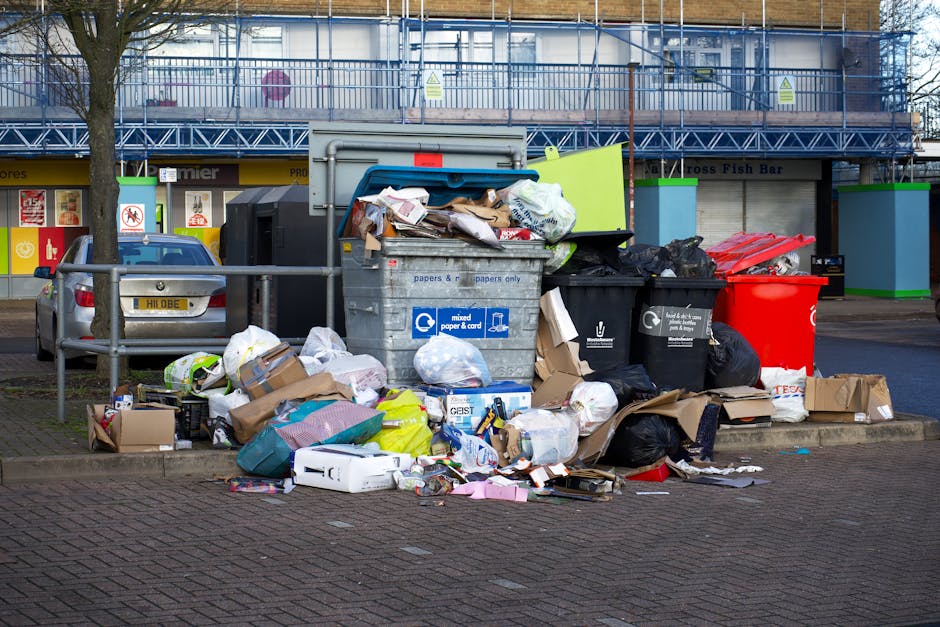
Lonsdale Road estate NW6: Bulky Waste Guide
If you live on or near the Lonsdale Road estate in NW6, bulky waste can become a surprising headache. One old sofa turns into two. A broken wardrobe sits in the hallway a little too long. A mattress leans awkwardly by the door and suddenly the whole flat feels tighter. This Lonsdale Road estate NW6: Bulky Waste Guide is here to make the process clearer, calmer, and far less messy.
Whether you are clearing a flat, moving home, dealing with a garden pile-up, or getting rid of heavy furniture after a refit, the key is to plan the job properly. In a busy London estate, that usually means thinking about access, timing, safety, and disposal routes before you start lifting. It sounds simple. In reality, a rushed bulky waste job can waste time, block shared spaces, or even create avoidable damage.
Below, you will find practical steps, common mistakes, and a few grounded tips that can save you effort. We will also touch on local expectations, what usually counts as bulky waste, and when a professional collection makes more sense than trying to do everything yourself. If you want a broader overview of services that often overlap with bulky waste jobs, you may also find the waste removal service and the furniture disposal page useful.
Quick takeaway: bulky waste is easiest to handle when you identify the items, clear the access route, confirm what can be reused or recycled, and choose the right removal method for the space you actually have. That little bit of prep makes a big difference.
Why Lonsdale Road estate NW6: Bulky Waste Guide Matters
Bulky waste is not just "big rubbish." It usually means items too awkward, heavy, or unsafe for normal household bins. Think sofas, beds, wardrobes, dining tables, broken shelving, old appliances, and the kind of mixed household clutter that builds up in a cupboard and quietly takes over a weekend.
On an estate, the stakes are slightly higher. Shared entrances, stairwells, bin stores, narrow walkways, and neighbours coming and going all make bulky waste more sensitive than a simple curb-side job. Leave a mattress in the wrong place for too long and, well, everyone notices. That is the reality. And it is one reason why a proper plan matters.
There is also the issue of responsibility. If you put out waste incorrectly, it can create obstruction, trip hazards, or complaints from neighbours and managing agents. If you overfill shared areas, even briefly, you can make access difficult for deliveries or emergency services. Nobody wants that kind of awkward knock on the door.
This guide matters because it helps you make better decisions before the clutter becomes a problem. It is especially useful if you are comparing self-clearance with a professional collection, or if you are trying to work out what can be recycled, donated, or taken away as mixed bulky waste. For larger domestic jobs, the house clearance service and home clearance options can also be helpful when bulky items are only part of a bigger clear-out.
How Lonsdale Road estate NW6: Bulky Waste Guide Works
The basic process is straightforward, but the details matter. First, you identify what needs to go. Then you check what can be reused, broken down, or recycled. After that, you decide how the waste will leave the property: council collection, private clearance, or a mix of both if the job is unusually large. Simple enough in theory. In practice, the stairs, parking, and timing often decide the outcome.
For residents in NW6, bulky waste usually falls into one of a few buckets:
- Furniture: sofas, chairs, beds, wardrobes, tables, and cabinets.
- Household items: rugs, mirrors, soft furnishings, shelves, and storage units.
- Appliances: fridges, freezers, washing machines, microwaves, and similar items.
- Mixed clearance waste: broken household items, bagged clutter, and a few bits from a room refresh.
- Outdoor or garage items: garden furniture, bikes, old tools, and storage overflow.
Depending on the condition and type of item, some pieces may be better suited to reuse or specialist disposal. A service focused on furniture clearance is often the neatest option if the job is mainly old furnishings. For clutter from a less predictable space, such as a loft or garage, the related garage clearance and loft clearance pages may be more relevant.
In estates, the collection method often depends on access. Can a van stop close enough? Is there lift access? Are there time restrictions for loading? These practical questions can matter more than the waste itself. To be fair, a perfectly sorted pile is still a problem if nobody can physically get it out of the building.
Key Benefits and Practical Advantages
Good bulky waste handling gives you more than a clear floor. It reduces stress, helps maintain shared spaces, and can make a move or refurbishment feel manageable instead of chaotic. That sounds a bit obvious, but anyone who has tried to carry a dismantled bedframe down a narrow stairwell at 8am knows the difference a plan makes.
Here are the main advantages:
- Less disruption: organised collection avoids clutter hanging around in communal areas.
- Safer moving: fewer awkward lifts and fewer chances of damaging walls, doors, or flooring.
- Cleaner recycling decisions: reusable and recyclable items can be separated more intelligently.
- Better time control: a booked collection is easier to plan around than multiple DIY trips.
- Reduced effort: especially useful for bulky, heavy, or hard-to-dismantle items.
There is also a quiet confidence that comes from getting it done properly. You know the sofa has gone, the room is open again, and the whole place breathes a bit easier. That may sound dramatic, but a cleared room really does change how a home feels.
If you are dealing with mixed loads from a property refresh, it can help to look at flat clearance if you are in a smaller estate unit, or furniture clearance when the bulk of the load is old household furniture. Those distinctions matter because the easiest solution is usually the one matched to the actual job, not the most generic one.
Who This Is For and When It Makes Sense
This guide is useful for a wide range of people. If you are a tenant moving out, a landlord preparing a turnover, a homeowner decluttering, or a family clearing a relative's property, bulky waste can appear very quickly and in very different forms. Lonsdale Road estate NW6 is no exception. Shared access and compact layouts simply make the issue more noticeable.
It makes sense to arrange bulky waste collection when:
- you have one or more oversized items that will not fit in normal bins
- items are too heavy to move safely without help
- you need a property cleared before handover, sale, or renovation
- you want to avoid repeated trips to a reuse centre or tip
- the building layout makes self-removal awkward or risky
It can also be the right move if you are clearing an office, storage room, or small commercial space nearby. In those cases, the office clearance service and business waste removal options may fit better than a standard household collection.
One common real-world scenario: a resident has bought a new sofa, the old one has to go, and the building has a narrow entrance plus limited parking. Suddenly what looked like a one-hour job turns into a logistics puzzle. That is exactly when a properly arranged bulky waste service starts to feel less like a luxury and more like common sense.
Step-by-Step Guidance
If you want the cleanest result, follow a simple sequence. You do not need a complicated system. You just need a bit of order before the lifting begins.
- List the items. Write down every bulky item, including approximate size and condition. A quick photo on your phone helps more than people expect.
- Separate what can stay, be donated, or be repaired. Not every item needs to go out as waste. Some furniture can be reused if it is clean and structurally sound.
- Check access. Measure doorways, stair turns, lift size, and any tight corners. If a wardrobe only goes out sideways and with a bit of persuasion, that matters.
- Clear the route. Move smaller objects, shoes, mats, and breakables out of the way. One stray plant pot can become the thing everyone trips on.
- Decide on collection method. Choose between council-style bulky collection, self-haul, or private clearance depending on volume, access, and urgency.
- Book a convenient time. In a busy estate, timing can be the difference between smooth collection and irritated neighbours.
- Prepare for loading. Keep items together, label anything that needs special handling, and make sure someone is available if access needs to be opened.
- Confirm disposal expectations. Ask where items are likely to go, especially if you care about recycling or reuse.
If your bulky waste is part of a larger property clean-up, a broader house clearance or home clearance can save you juggling multiple services. In our experience, people often underestimate the number of "small extra bits" that appear once the main furniture is gone. There is always one more lamp. Always.
Practical rule of thumb: if an item is heavy, awkward, or likely to damage walls on the way out, treat it as a planning job first and a lifting job second.
Expert Tips for Better Results
A few small habits make bulky waste collection much easier, especially in London estates where access can be tight and timing is less flexible than you would like.
- Dismantle when possible. Flat-pack furniture, bed frames, and shelving are easier to remove in sections. Keep screws and brackets in a small labelled bag.
- Keep like with like. Group furniture together, white goods together, and mixed rubbish separately if the collection provider requests it.
- Protect shared surfaces. A blanket or cardboard sheet can help prevent scuffs on hallways and lift floors.
- Take "before" photos. This helps if you need to confirm what was collected, especially in a shared household or managed building.
- Ask about recycling routes. It is fair to want reassurance that useful items will not simply be dumped.
A small but important tip: if you live in a busy block, avoid leaving items out "just for a bit" unless you are sure about timing. A morning delivery, a school run, or a bin day can turn that decision into a nuisance very quickly. Not catastrophic. Just annoying, and annoying is enough.
For bulky household furniture that still has life left in it, checking the options on furniture disposal can help you understand whether disposal, reuse, or mixed clearance is the best route. And if the job involves a garden side-return, shed contents, or outdoor clutter, the garden clearance page is worth a look too.
Common Mistakes to Avoid
Most bulky waste problems are not caused by the waste itself. They come from rushed decisions. A little impatience, a tight deadline, and suddenly the whole thing becomes harder than it needed to be.
- Leaving items in communal areas too long. This can create access problems and complaints.
- Forgetting to measure. Many collection delays start with a wardrobe that almost, but not quite, fits through the door.
- Ignoring safe lifting. Back strain is very easy to cause with awkward, unbalanced items.
- Mixing hazardous items with general bulky waste. Paints, chemicals, batteries, and certain electrical items may need separate handling.
- Assuming every item can go to the same place. Recycling and disposal routes are not always identical.
- Waiting until the last minute. This often leads to rushed bookings and avoidable stress.
Another common one: people treat bulky waste like a single pile, when in reality it may need several decisions. A sofa might be reusable, a mattress may need separate handling, and a damaged cupboard may be best broken down for transport. That extra sorting takes a bit of time, yes, but it usually pays off.
Tools, Resources and Recommendations
You do not need specialist equipment for every job, but a few basic tools and checks make the process much smoother.
- Measuring tape: for doors, lifts, stairwells, and furniture dimensions.
- Screwdrivers or Allen keys: useful for dismantling beds, tables, and shelving.
- Work gloves: handy for protecting hands from splinters, sharp edges, and dust.
- Moving blankets or cardboard: helpful in tight hallways or communal entrances.
- Marker pens and bags: for keeping fixings and loose parts together.
- Phone camera: ideal for documenting item condition and access challenges.
When comparing support options, it is worth looking at the provider's service range, recycling approach, and clarity around pricing. The pricing and quotes page can help set expectations around how jobs are assessed, while the recycling and sustainability page is useful if you want a clearer view of what happens after collection.
For people who prefer a company background before booking, the about us page can be a good place to understand the service approach. And if you are dealing with something more than a one-off item, the broader waste removal service is often the right umbrella to start with.
Law, Compliance, Standards, or Best Practice
Bulky waste disposal in the UK should be handled carefully, even when the job looks informal. While this guide is not legal advice, a few general best-practice points are worth keeping in mind.
First, waste should go to an appropriate, legitimate route. That means using a recognised collection method, checking that the provider handles waste responsibly, and avoiding anything that looks suspiciously cheap with no clear trail. If someone offers to "take it away" and gives you little detail, ask more questions. A proper service should be comfortable discussing how items are managed.
Second, electricals, fridges, and some mixed materials may need special treatment. Not all bulky items are equal. A sofa and a freezer are both bulky, but they are not the same in disposal terms. That is why careful sorting matters.
Third, communal areas should stay safe and clear. Best practice on estates usually means not blocking exits, not leaving items where they create a trip hazard, and not assuming that a landing is a temporary storage space. It is not. It really is not.
Fourth, if you are using a clearance company, basic checks around insurance and safety are sensible. You want to know that lifting, loading, and transport are handled properly. You may also wish to review the company's health and safety policy so you know what standards they work to.
Finally, if you book online or share contact details, reviewing the privacy policy and terms and conditions is a sensible habit. Not exciting, admittedly, but good practice is rarely glamorous.
Options, Methods, or Comparison Table
There is no single best method for bulky waste. The right choice depends on size, urgency, access, and how much you want to do yourself. Here is a practical comparison.
| Method | Best for | Pros | Cons |
|---|---|---|---|
| Self-removal | Small number of manageable items | Potentially lower direct cost; full control over timing | Heavy lifting, transport hassle, time-consuming |
| Council-style bulky collection | Occasional household items | Simple for residents; good for single-item disposal | May have limited dates, item restrictions, or booking rules |
| Private bulky waste service | Urgent, awkward, or mixed loads | Faster, more flexible, less lifting for you | Usually costs more than doing it yourself |
| Full clearance service | Flat, house, loft, garage, or office clear-outs | Best for larger or multi-room jobs; more efficient | May be more than you need for a single item |
If your job has a lot of furniture, the furniture clearance route may be the cleanest. If the issue is a wider property refresh, a flat clearance can save time and reduce the number of separate arrangements. Truth be told, people often start by asking for "just a sofa removed" and end up needing a much more complete solution.
Case Study or Real-World Example
Here is a typical, very believable scenario from estate-style living in NW6. A resident is moving out of a two-bedroom flat and has a tired sofa, a broken desk, two mattresses, and several bagged items from storage. The hallway is narrow, the lift is small, and the building has a shared entrance that gets busy by late morning.
If they try to do everything alone, the job becomes a sequence of compromises: one item fits, the next does not, the car is too small, and the items end up waiting in the flat for another day. That delay usually creates stress. And stress spreads fast when a move is already underway.
Instead, they sort the load into three groups:
- Reuse: one chair and a side table, both in decent condition
- Bulky waste: sofa, mattresses, desk, and damaged shelving
- Loose items: bagged clutter from cupboards and under-bed storage
They then clear the route, measure the access points, and arrange a collection time that avoids the busiest part of the day. The result is less disruption, fewer trips, and no awkward pile in the hallway while they wait for a friend with a van who may or may not show up. We have all seen that story unfold.
The practical lesson is simple: the more tightly your waste collection matches the layout of the property, the smoother the whole day becomes. This is especially true in communal buildings where access, timing, and neighbour consideration are all part of the picture.
Practical Checklist
Use this checklist before booking or moving bulky waste out of the Lonsdale Road estate area.
- Identify every item you want removed
- Separate reusable items from genuine waste
- Measure large furniture and access points
- Check for lift, stair, and parking limitations
- Confirm whether any items need special handling
- Clear communal routes and protect surfaces
- Choose the most suitable collection method
- Ask about recycling, disposal, and reuse
- Check the booking date and arrival window
- Keep contact details handy on collection day
Mini reminder: if an item feels borderline between "manageable" and "going to be a faff," plan for the faff. It saves trouble later.
For clear next steps, you can also use the main contact us page to ask about access, item types, or timing before you commit. That little conversation can prevent a lot of frustration.
Conclusion
Bulky waste on the Lonsdale Road estate in NW6 is not just about getting rid of old stuff. It is about doing it safely, keeping communal spaces clear, and choosing a method that fits the building as much as the waste itself. Once you think in those terms, the process becomes much less daunting.
The best approach is usually the simplest one: identify the items, sort what can be reused, check access, and arrange the right type of collection. Do that, and the whole job feels manageable rather than messy. The room clears. The hallway clears. And, honestly, your head clears a bit too.
If you are comparing services or planning a larger clear-out, it is worth looking at the related pages above to match the right solution to your situation. And if you want help turning a cluttered space into something workable again, now is a good moment to take the next step.
Get a free quote today and see how much you can save.
Frequently Asked Questions
What counts as bulky waste on Lonsdale Road estate NW6?
Bulky waste usually includes items too large or awkward for standard bins, such as sofas, beds, wardrobes, tables, mattresses, and some appliances. If it is heavy, oversized, or difficult to carry safely, it probably falls into this category.
Can I leave bulky waste in a communal hallway for collection?
It is usually best not to leave items in shared areas unless a collection has been arranged and you are sure it will not block access. Hallways and entrances need to stay clear for neighbours, deliveries, and safety.
Is it better to dismantle furniture before collection?
Usually, yes. Dismantled items are easier to carry, less likely to damage walls, and often simpler to load. Keep screws and fittings together so they do not disappear into the abyss of "I know I put them somewhere."
What if my bulky items are still usable?
If items are in good condition, reuse or donation may be worth exploring before disposal. For furniture especially, checking whether it can be reused helps reduce waste and may save disposal effort.
How do I know whether I need a flat clearance or just bulky waste collection?
If you have a few large items, bulky waste collection may be enough. If the property contains multiple rooms of furniture, clutter, or mixed items, a flat clearance or similar service is usually more practical.
What should I do with broken electrical items?
Broken electricals may need separate handling from general bulky waste. It is sensible to ask the provider how they manage electrical items, especially larger appliances like fridges or washing machines.
Are there any access issues to think about on an estate?
Yes. Narrow stairwells, lifts, parking restrictions, and shared entrances can all affect collection. Measuring access in advance avoids nasty surprises on the day.
How can I reduce the cost of bulky waste removal?
Sorting items beforehand, dismantling furniture where possible, and choosing the right service for the load can all help. A well-prepared collection is usually more efficient than a last-minute scramble.
What happens to the waste after collection?
That depends on the service and the item type. Some items may be reused, some recycled, and some disposed of through appropriate waste facilities. If sustainability matters to you, ask about the provider's recycling approach.
Can I book a collection for a mix of furniture and general rubbish?
Yes, often you can. Mixed loads are common, especially during moves or room clear-outs. A mixed collection should be described clearly so the service can plan the right vehicle and labour.
Do I need to do anything before the crew arrives?
Yes. Clear the access route, group the items together, and make sure any building instructions or entry details are ready. A few minutes of preparation can save a lot of back and forth.
Where should I start if I am not sure what service I need?
Start with the item list and the access situation. Then compare it against the available service types on the website. If you are still unsure, use the contact page to describe the job in plain English. That is often the fastest way to get pointed in the right direction.
Final thought: bulky waste is one of those jobs that feels heavy before it starts, then oddly satisfying once it is gone. A bit of planning, a calm approach, and the right help make all the difference.