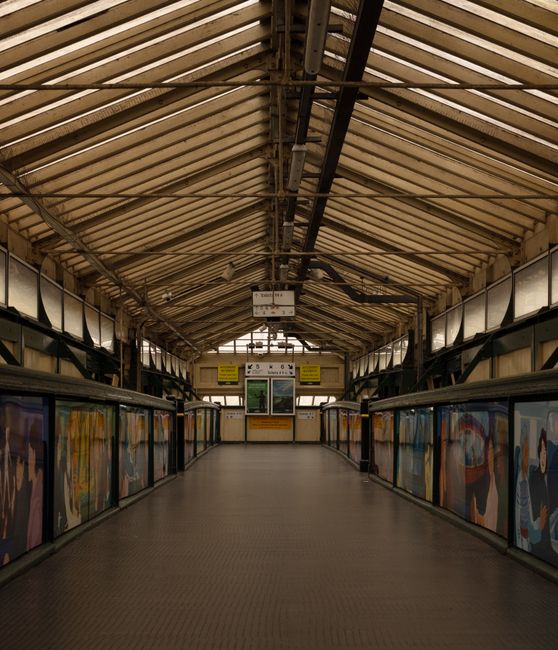
Queens Park Station area: Quick Waste Clearance Tips
If you are trying to clear waste near Queens Park Station, speed matters - but so does doing it properly. A flat full of boxy furniture, a garage piled with old paint tins, or a small office turnover can become stressful fast when bags start stacking up by the door. This guide to Queens Park Station area: Quick Waste Clearance Tips focuses on the practical side: how to clear waste quickly, avoid common delays, stay on the right side of UK best practice, and make the whole job feel a bit less like chaos.
Truth be told, most people do not need a long lecture on rubbish. They need a clear plan, the right method, and a few local-minded tips that save time on the day. So let's keep it useful, grounded, and easy to follow.
Table of Contents
- Why Queens Park Station area: Quick Waste Clearance Tips Matters
- How Queens Park Station area: Quick Waste Clearance Tips Works
- Key Benefits and Practical Advantages
- Who This Is For and When It Makes Sense
- Step-by-Step Guidance
- Expert Tips for Better Results
- Common Mistakes to Avoid
- Tools, Resources and Recommendations
- Law, Compliance, Standards, or Best Practice
- Options, Methods, or Comparison Table
- Case Study or Real-World Example
- Practical Checklist
- Conclusion
- Frequently Asked Questions
Why Queens Park Station area: Quick Waste Clearance Tips Matters
Queens Park Station is a busy, lived-in part of London. That matters because waste clearance here is rarely just about lifting a few bags. You may be dealing with stairwells, narrow front paths, parked cars, shared entrances, time restrictions, and neighbours who do not want the hallway blocked for long. A quick clearance plan helps you work around all that without creating extra hassle.
Fast waste clearance also matters because clutter has a habit of spreading. One pile becomes two. Then the old wardrobe leans against the wall for "just a day", and suddenly the room feels smaller, dustier, and oddly heavier. In our experience, a clear plan at the start saves far more time than a rushed tidy-up at the end. Not glamorous, but very true.
There is also a safety angle. Heavy items, sharp edges, broken glass, damp cardboard, and mixed materials can create avoidable risks if you handle everything in one rushed sweep. A good method reduces lifting strain, protects floors and walls, and cuts the chance of waste being left out in the wrong way.
For local homes, landlords, flat sharers, and small businesses, quick clearance is often about timing as much as volume. You might have a checkout deadline, a handover, a delivery window, or a same-day office move. The less time waste sits around, the smoother the day feels. And yes, the cleaner the space looks once the last bag goes. That part always feels good.
How Queens Park Station area: Quick Waste Clearance Tips Works
Quick waste clearance works best when you treat it like a small project rather than a random tidy-up. Start by separating the job into simple categories: keep, donate, recycle, dispose, and hazardous or specialist waste. That one step alone prevents a lot of delays later, because you are not standing around at the end wondering where everything goes.
Next, match the clearance method to the amount and type of waste. A few bin bags from a flat are very different from a full office strip-out or a garage full of mixed debris. If the waste is bulky, awkward, or heavy, choose a method that reduces handling time. If it is light but numerous, use sturdy sacks, stacking logic, and a clean route to the exit. Simple, but effective.
The practical flow usually looks like this:
- Survey the waste and identify anything hazardous, bulky, reusable, or recyclable.
- Clear access routes so items can move out quickly without damage.
- Bag and sort smaller waste first, then deal with larger items.
- Load in a sensible sequence so the heaviest or awkwardest items do not trap everything else.
- Do a final sweep for screws, glass, packaging, and missed small items.
If you are using a professional service, the same principles still apply. Good preparation saves time on arrival. It also makes quotes more accurate because everyone can see what is being cleared and what needs special handling. For more about pricing structure and quote expectations, you can look at the site's pricing and quotes information.
A lot of people underestimate the value of pre-sorting. It feels slow for the first ten minutes and then suddenly everything speeds up. That is the irony of it.
Key Benefits and Practical Advantages
The biggest benefit of quick waste clearance is time saved, but that is only the start. A better-organised clearance usually gives you a safer space, fewer return trips, and less stress for everyone involved. If you have ever tried to move a sofa down a tight stairwell while balancing a loose lampshade and a bag of mixed junk, you will know why this matters.
Here are the advantages that tend to matter most in the Queens Park Station area:
- Less disruption for neighbours, tenants, or staff.
- Faster room turnaround for moves, refurbishments, or handovers.
- Cleaner visual presentation if you are preparing a property for viewing or re-let.
- Reduced risk of damage to walls, floors, and communal areas.
- Better recycling outcomes when materials are separated properly.
- Fewer delays when access is tight or time windows are short.
There is also a quiet psychological benefit. Clutter can make a room feel unfinished, even when the main work is done. Once waste is removed, people often notice the space differently: brighter, calmer, more usable. A small thing, maybe. But it changes the feel of the day.
For businesses, fast clearance can also protect workflow. A storage room full of obsolete furniture or packaging can become a bottleneck. For homes, it can mean getting your hallway, loft, or spare room back without turning the whole place upside down.
If you are dealing with furniture specifically, it may help to compare disposal and removal options before you start. The site's furniture clearance and furniture disposal pages are useful if your job includes bulky items that need careful handling.
Who This Is For and When It Makes Sense
Quick waste clearance is not only for big clear-outs. It makes sense any time you want to remove waste efficiently without spending the whole day on it. That could be a one-bedroom flat, a shared house, a garden tidy, a small office refresh, or a post-builder clean-up after minor works.
It is especially relevant if you are:
- moving out or moving in
- preparing a rental property for new occupants
- clearing lofts, garages, basements, or storage areas
- downsizing after a long period of accumulation
- handling office furniture, paper waste, or packaging
- dealing with mixed household junk that has built up over time
- trying to finish a project before visitors, inventory, or inspections
It also makes sense when access is awkward. Around station-adjacent streets, timing and manoeuvring can matter more than the size of the clearance itself. A small job can become slow if the waste is badly sorted, the route is blocked, or items are left until the last minute.
To be fair, some people can manage a small clear-out with a car boot and a few trips. But once items become bulky, heavy, or mixed, the job gets less tidy very quickly. That is often the point where a structured waste removal approach starts saving time, not costing it.
Step-by-Step Guidance
If you want the quickest practical route, use this simple sequence. It works well for flats, small houses, and light commercial spaces alike.
1. Walk the space before lifting anything
Do a slow scan of the area. Look for bulky items, sharp waste, mixed materials, and anything that might need extra care. Notice doors, corners, stair turns, and places where items could snag. A one-minute check can prevent a ten-minute problem.
2. Separate urgent waste from reusable items
Ask yourself a basic question: does this need disposing, donating, recycling, or keeping? Put reusable items aside early. If you can identify useful furniture or equipment before the chaos starts, the rest of the job becomes much cleaner. If some items are still serviceable, a house clearance or home clearance approach may be more sensible than lumping everything into one heap.
3. Break the waste into categories
Group similar items together - cardboard, mixed rubbish, bulky furniture, garden waste, office paper, and anything specialist. The point is not perfection. The point is speed. Even rough grouping helps avoid repeated handling. Waste handled once is better than waste handled three times.
4. Clear the exit route first
Move loose objects away from hallways, landings, and doorways. If the route out is clear, the whole clearance becomes more controlled. That matters in flats, terraces, and shared buildings where you do not want to block access for long. A clear path also reduces the chance of scuff marks and minor collisions.
5. Load the hardest items first
If you are lifting yourself, place the heaviest or most awkward waste in a position where it will not crush lighter items. If a service is collecting, let the team know about bulky pieces at the start. That simple heads-up can avoid last-minute reshuffling. It is one of those boring little things that genuinely saves time.
6. Do a final sweep for hidden mess
Check under furniture, behind doors, and near skirting boards. Small bits of debris are often left behind because everyone has mentally moved on. A final sweep catches screws, splinters, cardboard fragments, and dust that would otherwise make the room feel half-finished.
7. Confirm recycling and disposal handling
Ask how the waste will be sorted or where it will go, especially if you are using a clearance company. Responsible handling matters. It is not just about getting rid of things quickly; it is about doing it properly.
If your clearance involves a wider property reset, you may also find the site's home clearance, flat clearance, or house clearance pages useful depending on the type of space you are dealing with.
Expert Tips for Better Results
Here is the part people often skip, and then regret later. Quick waste clearance is rarely about rushing harder. It is about reducing friction. Less friction means fewer delays, fewer lifts, fewer mistakes.
- Label bags by type. Even a rough "cardboard", "general", or "metal" label helps at the load-out stage.
- Use smaller sacks for heavy waste. Overfilled bags slow everything down and increase strain.
- Keep screws and sharp fragments separate. A simple tub or box is fine.
- Take photos before and after. Helpful for landlords, tenants, or internal records.
- Avoid mixing wet and dry waste. Wet cardboard and mixed rubbish are much harder to handle neatly.
- Plan around the quietest window you have. Early starts or mid-morning slots often make life easier.
One small but very practical tip: if furniture is going, remove drawers, loose shelves, or detachable parts first. It makes items lighter and easier to carry. Plus, it reduces the chance of something swinging open at exactly the wrong moment. That kind of thing always seems to happen on the stairs, doesn't it?
If you are clearing business premises, it is worth checking whether the waste is ordinary office rubbish or needs a more structured business waste removal process. For larger or mixed commercial jobs, the site's business waste removal and office clearance pages may help you decide the most suitable route.
For building-related debris, the safer approach is to separate it early and avoid mixing it with household waste. The builders waste clearance service information is relevant where the load includes rubble, offcuts, or renovation leftovers.
Common Mistakes to Avoid
Most waste clearance problems come from a handful of predictable mistakes. The good news is that they are easy to avoid once you know what to look for.
- Leaving sorting until the end. This almost always makes the job slower.
- Underestimating bulky items. Wardrobes, sofas, desks, and metal frames behave differently from bin bags.
- Blocking hallways or exits. It creates bottlenecks and can irritate neighbours.
- Ignoring specialist waste. Paint, sharp items, electricals, and similar materials may need separate treatment.
- Overfilling bags. Heavy bags are harder to move and more likely to split.
- Forgetting access checks. Lifts, stairwells, parking, and tight entrances can all slow things down.
Another common issue is assuming "mixed waste" means everything can simply be thrown together. In reality, better sorting usually saves time and improves recycling potential. It can also make a professional collection smoother and cleaner.
And yes, there is such a thing as being too efficient. If everything is piled into one inaccessible corner, the clean-up often becomes slower, not faster. A little organisation goes a long way.
Tools, Resources and Recommendations
You do not need a warehouse of gear to clear waste well. A few sensible tools are enough for most jobs near Queens Park Station.
| Tool or resource | Why it helps | Best for |
|---|---|---|
| Strong rubble sacks or heavy-duty bags | Safer handling for heavier mixed waste | General household or light trade waste |
| Gloves | Protects hands from sharp edges, dirt, and splinters | Any clearance job |
| Tape, labels, or marker pens | Makes sorting faster and clearer | Mixed waste and multi-room clearances |
| Trolley or sack truck | Reduces strain on bulky or heavy items | Furniture, boxes, and stacked waste |
| Storage tubs or boxes | Keeps screws, cables, and small parts contained | Furniture dismantling and office clear-outs |
For many people, the real "resource" is simply a sensible plan. Still, it helps to know where specialised support fits in. If the job involves a loft stuffed with forgotten items, the site's loft clearance page is a natural reference point. If the clutter has spread to a shed or back area, garage clearance and garden clearance may be more relevant.
For general waste handling, the waste removal page can help frame the wider service options. And if sustainability matters to you - which, frankly, it should - the site's recycling and sustainability information is worth a look.
Law, Compliance, Standards, or Best Practice
Waste clearance in the UK should always be approached with care, especially where mixed or potentially hazardous materials are involved. You do not need to become a legal expert overnight, but you do need to use reasonable judgement and follow recognised best practice. If you are hiring help, check that the company has sensible safety processes, appropriate insurance, and responsible disposal methods.
For most everyday clearances, the important thing is simple: do not leave waste where it could create a hazard, block access, or be handled in an unsafe way. Be especially cautious with sharp objects, heavy items, broken furniture, old electronics, paint containers, and anything that could leak or smell. If something feels "a bit off", it usually deserves a separate pile.
Property managers, landlords, and businesses often need a more structured approach because they are also thinking about tenant handovers, safety, and reputation. In those cases, a clear process matters more than speed alone. A quick job done badly is not really quick - it just creates a second job later.
If you want reassurance on the service side, the company's health and safety policy and insurance and safety pages are relevant to understanding the expected standards. For service terms, the terms and conditions page can help set expectations clearly.
One more practical note: if you are disposing of waste from a workplace, keep records of what was removed and how the space was left, where appropriate. It is boring paperwork, yes, but it can save awkward questions later.
Options, Methods, or Comparison Table
There are a few sensible ways to clear waste near Queens Park Station. The best option depends on volume, access, timing, and what kind of waste you have. Below is a straightforward comparison.
| Method | Best for | Pros | Trade-offs |
|---|---|---|---|
| DIY clear-out | Small loads, light waste, flexible timing | Low cost if you already have transport | Time-consuming, heavy lifting, multiple trips |
| Mixed waste collection | General household or business waste | Convenient and quick once sorted | Needs basic preparation to be efficient |
| Furniture-focused clearance | Sofas, tables, desks, wardrobes | Useful for bulky items and tight spaces | May require dismantling or access planning |
| Property clearance service | Flats, houses, lofts, or full rooms | Good for larger or more varied clearances | Needs more planning and clearer scope |
If your waste is mostly furniture, the furniture-specific routes are often easier than treating everything as general rubbish. If it is a whole room or property, a broader clearance method is usually the better fit. That is especially true where you need speed without turning the place into a half-empty maze.
There is no single "best" method for every job. The right choice is the one that gets the waste out cleanly, safely, and without wasting a Saturday morning. Which, let's be honest, is the dream.
Case Study or Real-World Example
Imagine a small flat near Queens Park Station after a tenancy change. The hallway has a dismantled bed frame, two chairs, a stack of cardboard, a broken desk lamp, and several black bags of mixed clutter. Nothing dramatic. Just enough to feel annoying.
The fastest approach is not to drag each item out randomly. First, the cardboard is flattened and stacked. Next, the bags are checked so anything sharp or recyclable is separated. The bed frame is loosened further so it can pass through the hall without scratching the wall. Small parts are bagged together. Only then does the removal happen in one clean sequence.
What changes the speed is not brute force. It is order. The floor is not blocked. The route stays clear. Fewer decisions are made under pressure. And by the end, the room looks ready for its next stage instead of half-cleared and frustrating.
A similar pattern works in offices too. Old chairs, packaging, paperwork, and a few redundant cabinets can stall a team if they are just left in a corner. But if they are sorted, grouped, and removed in the right sequence, the space resets quickly. Not perfectly romantic, but very effective.
This is the kind of job where a little preparation gives you a disproportionately better result. A modest effort upfront, and the whole day feels lighter.
Practical Checklist
Use this checklist before the clearance starts. It keeps the job tidy and reduces last-minute surprises.
- Have I identified all bulky, sharp, wet, or specialist waste?
- Have I separated reusable items from disposal items?
- Are hallways, stairs, and exits clear?
- Are bags strong enough for their contents?
- Have I kept heavy items manageable rather than overfilled?
- Do I know what needs recycling and what needs separate handling?
- Have I checked access for parking, lifts, or tight entrances?
- Is there a final sweep plan for small debris, screws, and broken pieces?
- Have I chosen the right clearance method for the volume of waste?
- Have I confirmed the timing and any special requirements with the service provider?
Expert summary: the quickest waste clearance is rarely the one that starts fastest. It is the one that is sorted early, carried safely, and finished without a second round of tidying.
If your clear-out is tied to a specific event - move-out, renovation, office reset, or family visit - work backwards from that date. A day of calm preparation often beats three hours of frantic lifting. That is usually where the real win is.
Get a free quote today and see how much you can save.
Conclusion
Queens Park Station area waste clearance does not need to be complicated, but it does need to be planned properly if you want it done quickly. Sort early, keep routes clear, separate bulky and specialist items, and choose the clearance method that fits the job rather than forcing everything into one approach. Those small choices save time, reduce stress, and make the result feel much more polished.
Whether you are clearing a flat, a family home, a garage, or a small business space, the same principle holds: a little structure goes a long way. And once the clutter is gone, the space usually feels better than you expected. Clean air, clear floor, less mental noise. Hard to beat that, really.
When you are ready to move from "I should sort this out" to "that's actually done", take the practical route and keep it simple. You'll thank yourself later.
Frequently Asked Questions
What is the fastest way to clear waste near Queens Park Station?
The fastest way is to sort waste first, keep access clear, and separate bulky items from general rubbish before removal starts. That reduces handling and delays.
Can I mix furniture, cardboard, and general rubbish together?
You can, but it usually slows things down. Mixed loads are harder to handle and may not be the most efficient option if you want a quick clearance.
How do I prepare a flat for a fast waste clearance?
Clear hallways, gather waste into categories, remove small obstacles, and make sure bulky items can be moved without squeezing through cluttered routes.
What should I do with items that could be reused?
Set them aside before the main clearance starts. Reusable furniture or equipment is often better treated separately so it does not get lost in the general pile.
Is quick waste clearance suitable for offices as well as homes?
Yes. Offices often benefit from structured clearance because paper, packaging, furniture, and old equipment can build up quickly and interrupt work.
Do I need to separate garden waste from general waste?
Usually, yes. Keeping garden material separate helps the clearance stay neater and can make handling simpler, especially if other waste is mixed in.
How do I know if something needs special handling?
If it is sharp, wet, chemical-based, electrical, or otherwise awkward, it is worth treating it separately. When in doubt, do not just toss it into the nearest bag.
What are the most common delays during waste clearance?
Blocked access, overfilled bags, poor sorting, and bulky items left until the last moment are the usual culprits. A bit of preparation avoids most of them.
Should I dismantle furniture before collection?
If it is safe and easy to do so, yes. Removing legs, drawers, or loose shelves can make furniture quicker to move and less likely to damage walls or floors.
What if I only have a small amount of waste?
Even small jobs benefit from a clean plan. Sort the waste, check whether anything can be recycled or reused, and keep the exit route free so the job stays quick.
How do I compare different clearance options?
Think about waste type, volume, access, timing, and how much lifting you want to do yourself. A quick comparison helps you choose the method that fits best rather than just the cheapest-looking one.
Where can I find more information about service standards and safety?
Look for clear service pages that explain health and safety, insurance, pricing, and how waste is handled. Those details matter more than people sometimes realise, especially for larger jobs.